How to Manage Pressure Cleaning Runoff Near Stormwater Drains
Pressure cleaning removes grime from driveways, paths and commercial surfaces, but the dirty water needs somewhere safe to go. In Maroochydore, runoff entering street gutters and stormwater drains can carry detergent, oil, sediment and paint particles into local waterways. The safest approach is to contain, collect and appropriately dispose of wash water rather than let it reach the drainage network.
Understand Your Stormwater Responsibilities
Stormwater drains are not sewer connections. Water entering them generally flows towards waterways without sewage treatment, potentially affecting the Maroochy River and coastal environments.
Queensland environmental laws place responsibilities on people and businesses to prevent environmental harm and water contamination. Before starting work, check current Sunshine Coast Council guidance, particularly for commercial cleaning or heavily contaminated surfaces. Do not assume that water-only cleaning is harmless: the material lifted from the surface can still pollute waterways.
Prepare the Site Before Cleaning
Inspect the area to identify drains, gutter openings, downpipe connections and the direction water naturally flows. Include neighbouring properties and public footpaths in your assessment.
- Sweep or vacuum first: Collect leaves, loose dirt, litter and sediment before introducing water.
- Remove contaminants: Use suitable absorbent material for oil spots, then collect it for appropriate disposal.
- Check the weather: Avoid cleaning when rain could overwhelm containment or wash collected residue into drains.
- Plan disposal: Establish where recovered wastewater will go before switching on the pressure cleaner.
Contain and Recover the Wash Water
Use Barriers That Suit the Surface
Place temporary bunds, water-filled barriers or purpose-made containment berms across the runoff path. Suitable drain covers can provide additional protection, but they must seal properly against the surface. A sediment sock alone does not remove dissolved detergents, oils or other dissolved pollutants.
Keep containment within the work area wherever possible. Do not obstruct public drainage or create flooding, pedestrian or traffic hazards. Work involving public roads or footpaths may require council approval and additional safety controls.
Recover Water as You Work
Use a wet vacuum rated for liquid collection or a dedicated wastewater recovery system to collect water from the contained area. Vacuum-assisted surface cleaners can capture runoff close to its source. Work in small sections and stop immediately if water escapes containment or collection tanks approach capacity.

Choose an Appropriate Disposal Method
Never empty recovered wash water into a stormwater drain or street gutter. Disposal depends on what the water contains and the requirements of the receiving facility.
Do not discharge commercial pressure-cleaning wastewater to the sewer without confirming requirements with Unitywater; trade waste approval may be necessary. For oily, chemically contaminated or otherwise unsuitable wastewater, use an appropriately authorised waste contractor and a facility that accepts that waste.
https://daltonkhbp675.valiantfield.com/posts/pool-surround-cleaning-safer-surfaces-without-damage
Do not assume a lawn or garden is an acceptable disposal area. Chemicals can harm plants, contaminate soil or run off later. Seek advice before considering land application, particularly where soil is saturated, the ground slopes towards drains or contamination is present.

Use Less Water and Fewer Chemicals
Select the lowest effective pressure and flow rate, and use cleaning products only where necessary. Follow label instructions and safety data sheets. Products labelled biodegradable or eco-friendly are not automatically safe for stormwater discharge.
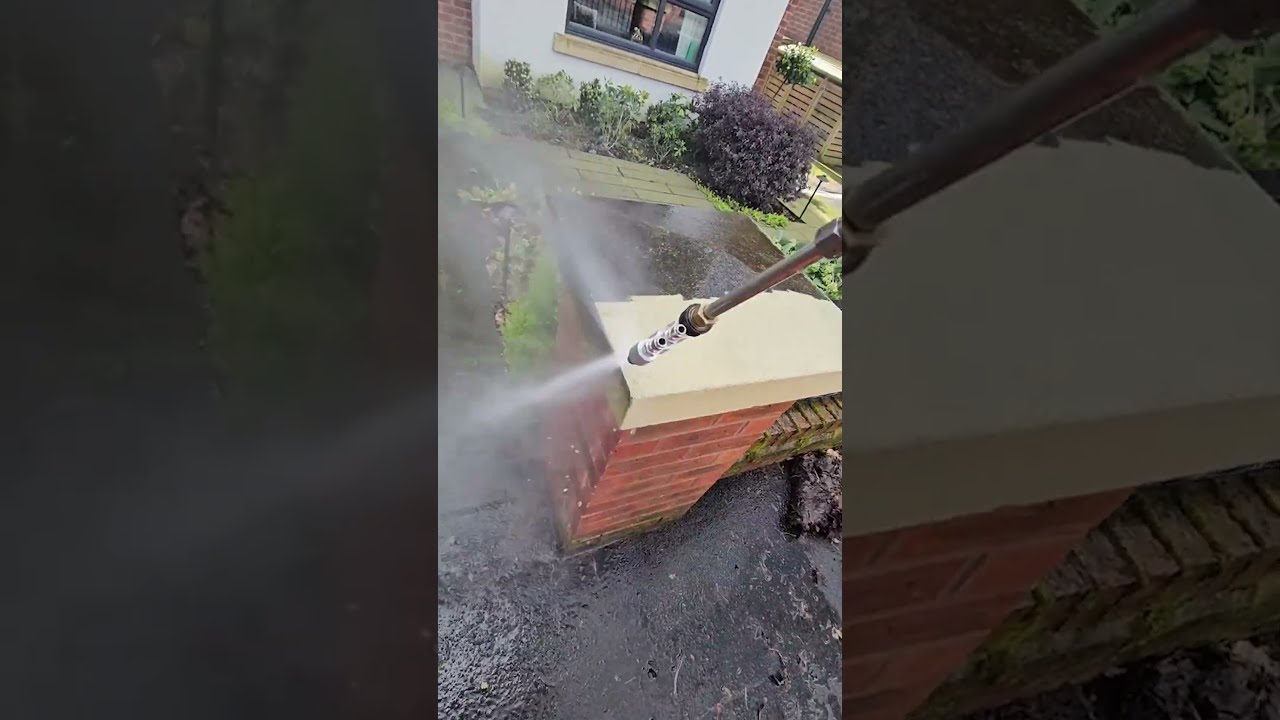
After cleaning, recover remaining puddles and sediment before removing barriers. When booking pressure cleaning in Maroochydore, ask the contractor how they contain runoff, recover wastewater and arrange disposal. A clear answer helps protect both your property and local waterways.
Maroochydore Pressure Cleaning